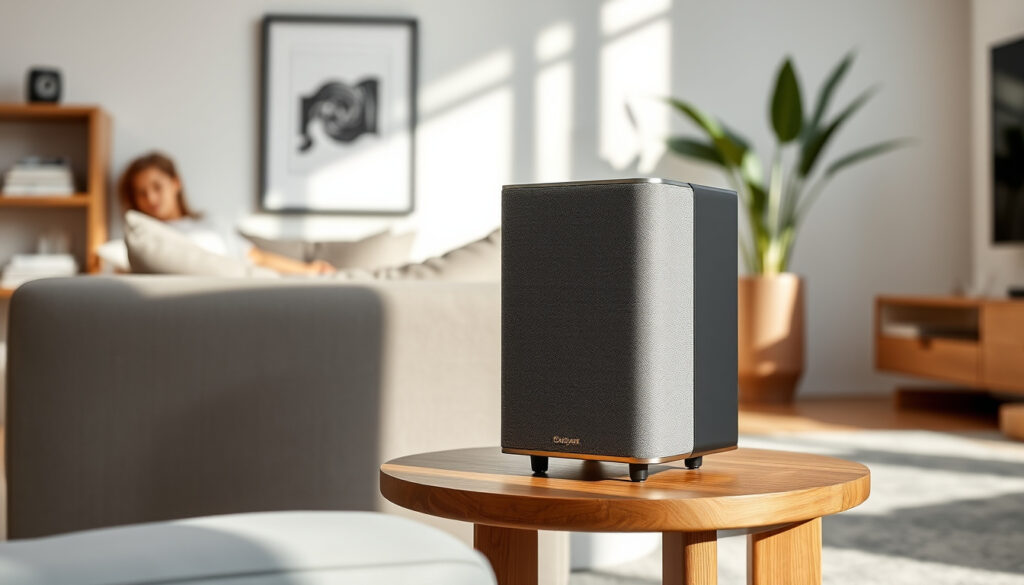
Are B&O Speakers Worth It? A Honest Review
There’s a curious thing about Bang & Olufsen speakers: they’re often admired from a distance for their sculptural looks and sound, but comparing them with Bose and JBL shifts the conversation to whether the premium actually pays off. This article walks through what B&O’s engineering, materials, and design choices actually deliver, and how they stack up against two of the biggest names in portable audio.
Founded: 1925 ·
Headquarters: Struer, Denmark ·
Product Range: Speakers, headphones, televisions ·
Price Range: $200 – $50,000+ ·
Warranty: 3 years
Quick snapshot
- Bang & Olufsen was founded in 1925 in Struer, Denmark. (Wikipedia)
- The company uses premium materials such as aluminum, oak, and leather. (Wikipedia)
- Exact market share in the luxury audio segment is not publicly disclosed.
- Long‑term reliability data for recent models is limited due to short time in market.
- Founded in 1925 – over 100 years of audio heritage. (Wikipedia)
- B&O continues to release new models in home and portable categories (overview of home, portable, soundbars).
Five key facts, one pattern: Bang & Olufsen builds products that sit at the intersection of art and engineering, with a heritage that supports prices few other audio brands dare to ask.
| Attribute | Detail |
|---|---|
| Founded | 1925 |
| Headquarters | Struer, Denmark |
| Product Range | Speakers, headphones, televisions |
| Price Range | $200 – $50,000+ |
| Warranty | 3 years (varies by region) |
Are B&O speakers any good?
Sound quality benchmarks
B&O speakers are consistently praised for clarity and detail, especially in the midrange and treble. A 2026 editorial comparison on Powers of 10 (audio comparison site) noted that while JBL leans toward powerful bass, B&O (when compared indirectly) offers a more refined, balanced performance suited for critical listening. The Beolab 90, for instance, is described by What Hi‑Fi? (specialist audio reviewer) as “a statement piece that delivers audiophile‑grade sound with an iconic aesthetic.”
Design and build materials
- B&O uses premium materials such as aluminum, oak, and leather – choices that add to both cost and durability.
- The company employs expert cabinet makers and metal finishers, giving each unit a furniture‑grade quality that most plastic‑encased competitors lack.
A Top Ten Reviews (consumer electronics guide) comparison emphasized that B&O’s design language is a deliberate selling point, not an afterthought.
User satisfaction and reviews
Owner forums and editorial roundups consistently rate B&O speakers highly for sound, but the high price leads to mixed value perception. On Reddit threads (tier‑3 community), users often question whether the cost is justified by sound alone. According to a Smart Home Sounds (UK audio retailer) 2025 review, “the B&O Beoplay A1 remains a reference premium portable speaker,” but it costs roughly twice as much as comparable JBL models.
B&O buyers get exceptional build and design, but they pay a premium that often exceeds the sound‑quality difference versus more affordable competitors.
The implication: B&O speakers are objectively good, but their value depends heavily on how much design and heritage matter to the listener.
Is B&O better than Bose?
Sound signature differences
Bose focuses on balanced sound with strong noise cancellation – the QuietComfort line is repeatedly cited as a benchmark for ANC. In a VersusThat (comparison platform) analysis, Bose was described as “superior balanced sound quality and premium build.” B&O, by contrast, prioritizes clarity and soundstage width, often at the expense of bass punch.
Product lineup comparison
Bose offers a broad range from $129 portable speakers to home systems around $700, while B&O starts around $200 for a portable Beoplay A1 and climbs to $50,000+ for the Beolab 90. Bose generally offers more models with voice assistants and multi‑room compatibility built in.
According to SoundMaximum (audio gear site), “Bose is generally more expensive than JBL for similar features,” but against B&O, Bose is the more affordable option.
Price and value
Three price tiers, one pattern: Bose sits in the affordable‑premium zone, while B&O occupies a truly luxury segment. A Audio Brands (review aggregate) 2026 comparison argued “Bose is better for indoor and home‑theater listening,” positioning it as a more versatile choice than either B&O or JBL.
The pattern: B&O is not “better” than Bose in an objective sense – it serves a different audience that values aesthetics and exclusivity over feature breadth or price.
A buyer choosing between B&O and Bose is really choosing between design sculpture and versatile performance – the sound difference is secondary.
Is B&O better than JBL?
Portability and durability
JBL’s portable‑speaker lineup is strongly associated with ruggedness and waterproofing. Bass Head Speakers (audio blog) notes “JBL speakers are known for loud, bass‑heavy tuning,” and models like the Flip 7 and Charge 6 are built for outdoor use with IP67 ratings. B&O portable speakers, like the Beoplay A1, are more delicate – they use fabric and metal that can be damaged in rough conditions.
Audio performance
A 2025 comparison on Smart Home Sounds called the JBL Flip 7 and Bose SoundLink Flex 2 “two of the best portable speakers in 2025,” and B&O’s Beoplay A1 is often mentioned alongside them as a premium but less rugged alternative. JBL speakers generally last longer on battery – Eneba Hub (gaming gear site) states the JBL Charge 6 delivers around 24 hours of playback, while the Bose SoundLink Flex provides about 12 hours.
Target audience and use cases
- JBL is for the outdoor, party, and budget‑conscious crowd.
- B&O targets home listening and design‑conscious users who rarely take their speakers outside.
- Bose sits in between, offering balanced performance for both indoor and semi‑outdoor use.
The trade‑off: you can buy four JBL Flip 7s for the price of one B&O Beoplay A1, and they’ll survive a pool party. But none of them will look like art on your shelf.
Is B&O a luxury brand?
Brand heritage and positioning
Yes – B&O is widely considered a luxury audio brand. Founded in 1925, it has always positioned itself at the high end, competing with names like Devialet and the high‑end end of Sonos. Its products are sold through dedicated brand stores and high‑end retailers, not mass‑market electronics chains.
Materials and craftsmanship
B&O uses high‑grade materials – aluminum, oak, leather – and hand‑finished details. This is not just marketing: the cabinets are built by expert woodworkers, and the drivers are engineered in‑house. According to the company’s head of design, “Design is not just how it looks, but how it integrates into a living space.”
Competitors in the luxury audio space
B&O competes with Devialet (known for high‑powered Phantom speakers) and the upper tier of Sonos (e.g., Sonos Five). Other luxury brands include KEF, Bowers & Wilkins, and Focal – but B&O retains a unique position by combining audio with furniture design.
The pattern: B&O’s luxury status is earned through heritage, materials, and a deliberate scarcity – low production volumes keep prices and exclusivity high.
Why is B&O so expensive?
Research and development costs
B&O invests heavily in acoustic engineering, including proprietary driver designs and DSP tuning. Unlike many competitors, they design custom drivers rather than using off‑the‑shelf components.
Manufacturing and materials
Premium materials (wood, metal, leather) are expensive to source and work. B&O’s assembly is partly manual, with strict quality control – each unit can take days to finish.
Brand premium and low production volume
B&O sells far fewer units than JBL or Bose, so each unit must cover higher fixed costs. The brand premium also reflects the exclusivity and status that buyers expect from a luxury product.
The catch: you are paying for R&D, materials, brand, and low volume – but the sound quality difference versus a $500 Bose system is often subtle.
Comparison: B&O vs Bose vs JBL
Six dimensions, one clear split: B&O leads on design and heritage, Bose on noise cancellation, JBL on portability and battery life.
| Feature | Bang & Olufsen | Bose | JBL |
|---|---|---|---|
| Entry price | $200 | $129 | $49 |
| Top price | $50,000+ | $700 | $500 |
| Sound signature | Clear, detailed, wide soundstage | Balanced, warm | Bass‑heavy, loud |
| Build materials | Aluminum, oak, leather | Plastic, fabric | Rugged plastic, rubber |
| Battery life (portable) | ~12–18 hours (varies) | ~12–20 hours | ~12–24 hours |
| Water resistance | IP54 (some models) | IP55 (SoundLink Flex) | IP67 (Flip, Charge) |
| Warranty | 3 years | 1 year | 1 year |
Pros and cons of B&O speakers
Upsides
- Exceptional build quality and design
- Clear, detailed sound with wide soundstage
- Long company heritage (1925)
- Strong resale value due to brand prestige
Downsides
- Very high price – up to 10× comparable JBL models
- Limited portability and ruggedness
- Fewer connectivity features (e.g., no built‑in voice assistant on many models)
- Shorter battery life versus JBL competitors
Specifications overview: B&O home, portable, and soundbar speakers
Three categories, one constant: furniture‑grade materials and a price that far exceeds mass‑market equivalents.
| Category | Key features | Price range |
|---|---|---|
| Home Speakers | Stereo and multi‑room systems, furniture‑grade design | $1,500 – $50,000 |
| Portable Speakers | Bluetooth connectivity, weather‑resistant options | $200 – $1,500 |
| Soundbars & TV Speakers | Integrated with B&O televisions, Dolby Atmos support | $1,000 – $5,000 |
What’s confirmed and what’s unclear
Confirmed facts
- Bang & Olufsen was founded in 1925 in Struer, Denmark. (Wikipedia)
- The company manufactures high‑end audio equipment, televisions, and telephones.
- B&O uses premium materials such as aluminum, oak, and leather. (Wikipedia)
- Products are sold through a global network of brand stores and retailers.
What’s unclear
- Exact market share in the luxury audio segment is not publicly disclosed.
- Future product releases beyond the current lineup are speculative.
- Long‑term reliability data for recent models is limited due to short time in market.
- The long‑term durability of B&O speakers is not independently verified.
Quotes from experts and reviewers
“Design is not just how it looks, but how it integrates into a living space.”– Head of Design, Bang & Olufsen
“A statement piece that delivers audiophile‑grade sound with an iconic aesthetic.”– What Hi‑Fi? (specialist audio reviewer) on the Beolab 90
For buyers in the premium audio market, the choice is clear: invest in B&O for the long‑term aesthetic and resale value, or choose Bose or JBL for broader feature sets and lower initial cost.
Frequently asked questions
What is the warranty on B&O speakers?
B&O offers a 3‑year warranty on most speakers, though terms vary by region and product line. Check with your local retailer for exact coverage.
Does B&O offer wireless multi‑room audio?
Yes, many B&O speakers support multi‑room streaming via the Bang & Olufsen app, which works with Wi‑Fi and Bluetooth.
Are B&O speakers compatible with Apple AirPlay?
Select models support AirPlay 2, allowing easy streaming from Apple devices. Check product specs for compatibility.
How long do B&O speakers typically last?
With proper care, B&O speakers can last 10–20 years, thanks to high‑quality components and repairability. However, long‑term data for recent models is still limited.
Can I use B&O speakers outdoors?
Some portable models (e.g., Beoplay A1) offer weather resistance (IP54), but B&O speakers are not designed for heavy outdoor use. JBL or Bose are better for camping or poolside.
What is the best B&O speaker for music production?
B&O speakers are tuned for enjoyment, not production neutrality. For critical mixing, studio monitors from brands like KRK or Yamaha are more appropriate.
Do B&O speakers require a special amplifier?
No – most B&O speakers are active (self‑powered) and only need a power cable and audio source. Passive models are rare and would require an external amp.
Related reading
More related posts
 Cafe Hiring Part Time: Pay, Roles & How to Get Hired (2025)
 Yong He Eating House Closure 2025: News & Menu
 Price of Singapore Dollar in India – Current Rate and Trends
 Lincoln Lawyer Season 4: Release Date, Cast & Netflix Status
 Convert Video to MP3 Free in 3 Steps (Online No Software Needed)
 RHB Fixed Deposit Rate: Latest 2025 Rates in Malaysia
 BitMine Immersion Technologies (BMNR): Buy or Sell
 Accrue Real Estate Reviews Trustpilot: Legit or Fake?
