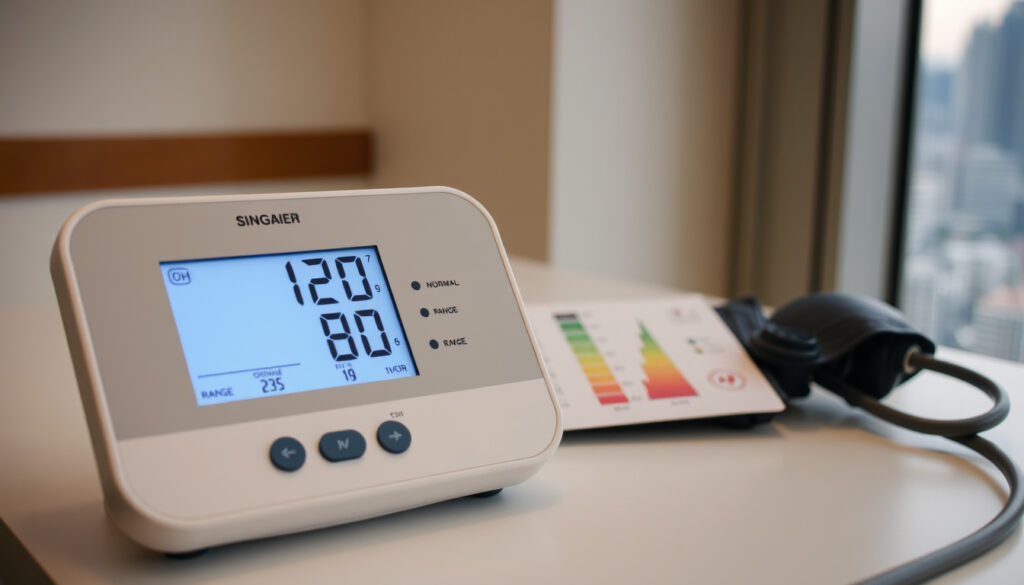
Blood Pressure Reading Singapore – Normal Ranges, MOH Guidelines
Blood pressure monitoring is a fundamental aspect of preventive healthcare in Singapore, where cardiovascular disease remains a leading cause of mortality. Understanding what constitutes a normal blood pressure reading, how to interpret the numbers, and where to access reliable testing can make a significant difference in early detection and management of hypertension. This guide synthesises Ministry of Health guidelines, screening options, and practical advice to help residents navigate blood pressure assessment across the city-state.
Singapore’s multi-ethnic population faces varying risks for hypertension, with prevalence data indicating that approximately one in four adults aged 30 to 69 years has been diagnosed with high blood pressure. The condition often develops silently, making regular monitoring essential for those over 40 or with family histories of cardiovascular illness. Public health initiatives through the HealthHub portal and SingHealth polyclinics have expanded access to free and subsidised screenings, yet many residents remain unaware of what their readings actually mean or when they should seek medical advice.
What Is a Normal Blood Pressure Reading in Singapore?
The Ministry of Health classifies blood pressure for adults aged 18 and above using specific thresholds measured in millimetres of mercury (mmHg). Normal blood pressure is generally considered to be below 130/85 mmHg, while readings of 140/90 mmHg or higher on clinic readings indicate hypertension. These categories help healthcare providers determine when intervention becomes necessary and what treatment pathway suits individual patients.
<130/85 mmHg
130-139 / 85-89 mmHg
≥140/90 mmHg
Annual for adults
- Singapore defines hypertension at clinic readings of 140/90 mmHg or higher, with treatment targets below these levels for most adults
- For individuals aged 80 years or older, the target threshold relaxes to below 150/90 mmHg to account for frailty and orthostatic risks
- Patients with diabetes or kidney disease face stricter targets, often below 130/80 mmHg, due to heightened cardiovascular vulnerability
- Blood pressure naturally increases with age as arteries stiffen, with prevalence rising from 9.4 percent among those aged 18 to 29 years to nearly 75 percent among those aged 70 to 74 years
- Among Singapore’s ethnic groups, Malays show the highest hypertension prevalence at 28 percent, compared to 23.4 percent for Chinese and 19.3 percent for Indians
- Control rates in Singapore reach 69.1 percent at the 140/90 mmHg threshold, though poor control persists despite widespread awareness campaigns
- Readings can vary throughout the day depending on activity level, body position, and time of measurement, which is why ambulatory monitoring is recommended when diagnosis remains uncertain
| Category | Systolic (mmHg) | Diastolic (mmHg) | Recommended Action |
|---|---|---|---|
| Normal BP | <130 | <85 | Maintain healthy lifestyle |
| High-Normal BP | 130-139 | 85-89 | Lifestyle review; monitor regularly |
| Grade 1 Hypertension | 140-159 | 90-99 | Consult doctor; consider medication |
| Grade 2 Hypertension | 160-179 | 100-109 | Medical intervention likely needed |
| Grade 3 Hypertension | ≥180 | ≥110 | Urgent medical attention |
| Isolated Systolic | ≥140 | <90 | Evaluate for arterial stiffness |
How Do You Read Blood Pressure Numbers?
A blood pressure reading consists of two numbers separated by a forward slash, such as 120/80 mmHg. The first number represents systolic pressure, which measures the force exerted on artery walls when the heart contracts and pumps blood outward. The second number represents diastolic pressure, indicating the residual pressure in arteries when the heart rests between beats. Both figures are essential for clinical assessment, though elevated systolic readings tend to carry greater prognostic significance, particularly in older adults.
Understanding Systolic and Diastolic Values
The systolic reading reflects the peak pressure generated during each cardiac cycle, making it a sensitive indicator of cardiovascular risk, especially for stroke and coronary artery disease. Diastolic pressure, by contrast, indicates baseline arterial tone and peripheral resistance. When only the systolic value exceeds normal limits while the diastolic remains within range, the condition is termed isolated systolic hypertension, commonly seen in seniors due to reduced arterial elasticity.
According to the Singapore Medical Journal, a single elevated reading does not constitute a diagnosis of hypertension. MOH guidelines recommend confirmatory measurements on at least two separate occasions before initiating treatment, except in cases of Grade 3 hypertension where immediate intervention may be warranted.
Blood Pressure Variations by Age
Blood pressure targets shift across life stages to reflect physiological changes. For young adults between 18 and 35 years, readings below 120/80 mmHg are considered ideal and reflect optimal cardiovascular health. Middle-aged individuals between 36 and 55 years should aim for values below 130/85 mmHg, aligning with MOH’s general threshold for normal blood pressure. Seniors aged 56 years and above often find that readings below 140/90 mmHg are acceptable, though lower targets remain preferable if well-tolerated, particularly for those under 80 years with no significant comorbidities.
Where Can I Get a Blood Pressure Reading in Singapore?
Residents have multiple avenues for obtaining blood pressure measurements across Singapore. Government polyclinics form the backbone of accessible healthcare, offering BP checks as part of routine consultations or dedicated chronic disease management programmes. These facilities operate nationwide, including locations in Ang Mo Kio, Bedok, Clementi, Jurong, and Woodlands, with services subsidised for citizens and permanent residents. A typical chronic care visit may cost between S$1.50 and S$10 after government subsidies, making regular monitoring financially manageable for most households.
Public Screening Initiatives
The Health Promotion Board coordinates regular community screening events throughout the year, particularly targeting residents who have not undergone health checks in recent years. These events, often held at community centres, hawker centres, and housing estate void decks, provide free basic health assessments including blood pressure measurement. Interested individuals can check the HealthHub website or HPB portal for upcoming screening schedules in their neighbourhoods. SingHealth polyclinics have further integrated with HealthHub to streamline referrals and follow-up care for participants identified with elevated readings.
Private Clinic and Pharmacy Options
Private clinics and retail pharmacies offer more flexible appointment options for those willing to pay higher fees. A standard blood pressure check at a private clinic typically costs between S$50 and S$200, depending on whether the consultation includes additional health advice or health screening packages. Many Guardian, Watsons, and Unity pharmacies now feature automated BP monitoring stations where customers can measure their own readings free of charge, though accuracy may vary depending on cuff size and user technique. For comprehensive health screening packages that include blood pressure assessment alongside other tests, residents may consider dedicated health screening centres such as those operated by HealthSense Online, which offer bundled pricing for preventive health evaluations.
For subsidised chronic care, polyclinic appointments in Singapore typically range from S$1.50 to S$10 per visit for citizens and permanent residents. Booking appointments via the HealthHub app can reduce wait times significantly compared to walk-in consultations.
What to Do If Your Blood Pressure Is High
Receiving a high blood pressure reading can be concerning, but understanding the appropriate response depends on the severity of the elevation and whether it has been consistently observed. For readings in the high-normal or Grade 1 range, healthcare providers typically recommend lifestyle modifications before considering medication. These interventions include reducing sodium intake, increasing physical activity to at least 150 minutes per week, maintaining a healthy body mass index, limiting alcohol consumption, and managing stress through relaxation techniques or counselling.
When to Seek Immediate Medical Attention
Grade 2 and Grade 3 hypertension readings warrant prompt medical consultation, particularly if accompanied by symptoms such as severe headache, visual disturbances, chest pain, shortness of breath, or neurological signs like confusion or numbness. These may indicate hypertensive crisis, a medical emergency requiring urgent assessment at a hospital emergency department. Even without acute symptoms, consistently elevated readings above 160/100 mmHg should trigger a medical review within days rather than weeks to prevent target organ damage to the heart, kidneys, and eyes.
This article provides general information about blood pressure monitoring and is not a substitute for professional medical advice. Individual circumstances vary significantly, and treatment decisions should be made in consultation with a qualified healthcare provider who has access to your complete medical history.
Monitoring Blood Pressure at Home
Home blood pressure monitoring has gained prominence as a valuable complement to clinic-based measurements, offering readings in a familiar environment and capturing diurnal variations that single clinic visits may miss. The Ministry of Health recommends validated upper-arm automatic monitors, with Omron devices frequently cited as reliable options available through pharmacies and HealthHub-linked online stores. Proper technique matters: measurements should be taken after five minutes of rest, with the arm supported at heart level, and avoiding caffeine, exercise, or smoking for at least 30 minutes beforehand.
When purchasing a home blood pressure monitor, ensure the cuff size matches your arm circumference. An ill-fitting cuff is the most common source of inaccurate home readings. Many pharmacies offer cuff size guides to help buyers select appropriate models.
Your Blood Pressure Monitoring Journey
Understanding what happens after a blood pressure reading can help individuals make informed decisions about their health management. The following steps outline a typical pathway from initial measurement through ongoing care.
- Initial measurement: Obtain a reading at a polyclinic, pharmacy, community screening event, or using a validated home monitor following proper technique guidelines
- Interpretation: Compare your reading against MOH classification categories to determine whether your BP falls within normal, high-normal, or hypertensive ranges
- Confirmatory testing: If elevated, schedule follow-up measurements on at least two separate occasions to confirm the diagnosis before treatment initiation
- Medical consultation: Discuss persistent high readings with a general practitioner or polyclinic doctor who can assess overall cardiovascular risk and recommend appropriate interventions
- Lifestyle modifications: Implement dietary changes, exercise routines, and stress management strategies as first-line interventions for Grade 1 hypertension
- Medication review: If lifestyle changes prove insufficient or if Grade 2 or higher hypertension is confirmed, work with your doctor to identify the most suitable antihypertensive medication
- Ongoing monitoring: Establish a regular monitoring schedule, whether through home measurements or periodic clinic visits, to track progress and adjust treatment as needed
What Is Known and What Remains Unclear
While Singapore’s Ministry of Health has established clear thresholds for blood pressure classification and treatment targets, individual responses to therapy and optimal monitoring frequencies continue to present uncertainties.
| Established Information | Remaining Uncertainties |
|---|---|
| Normal BP: below 130/85 mmHg | Optimal monitoring frequency for low-risk individuals |
| Hypertension diagnosis: ≥140/90 mmHg on multiple occasions | Ideal systolic targets for very elderly patients with multiple comorbidities |
| Age-related prevalence increases significantly | Precision timing for medication initiation in high-normal range |
| Ethnic variations in prevalence exist | Long-term outcomes of aggressive early treatment versus standard approaches |
| Control rates reach 69.1% at standard thresholds | Optimal home monitoring schedules and target ranges |
Understanding Singapore’s Blood Pressure Landscape
Singapore’s approach to blood pressure management reflects broader public health priorities shaped by an ageing population and rising cardiovascular disease burden. The nation’s healthcare system has invested substantially in screening infrastructure, health education campaigns, and chronic disease management programmes that integrate primary care with community-based interventions. The Health Promotion Board estimates that approximately 23.5 percent of Singaporeans aged 30 to 69 years have hypertension, with rates climbing to 53.4 percent among those in their late fifties to late sixties.
Urban lifestyle factors including sedentary work patterns, high-sodium diets common in hawker food preparation, and stress associated with fast-paced city living contribute to elevated risk profiles. National strategies to address these challenges include the Healthier Choice Symbol programme to reduce dietary sodium, workplace wellness initiatives, and community exercise programmes. The integration of polyclinics with the HealthHub digital platform enables residents to track their health metrics, schedule appointments, and access educational resources on hypertension management.
Key Sources and Clinical References
Singapore’s blood pressure guidelines draw from clinical practice recommendations developed by the Ministry of Health, with input from specialist societies including the Singapore Cardiac Society and the Endocrine and Metabolic Society of Singapore. These documents undergo periodic review to incorporate emerging evidence from clinical trials and epidemiological studies.
“Hypertension is the leading cause of cardiovascular disease in Singapore, and early detection through regular screening remains the cornerstone of prevention efforts.”
— Singapore Medical Journal, Clinical Practice Guidelines on Hypertension, 2017
“Blood pressure should be measured using validated devices with appropriately sized cuffs, and ambulatory monitoring is recommended when white-coat or masked hypertension is suspected.”
— Ministry of Health Singapore, Clinical Practice Guidelines on Hypertension
Next Steps for Blood Pressure Management
Residents who have not undergone blood pressure screening recently should consider scheduling an assessment at their nearest polyclinic or community event. For those already managing hypertension, ensuring consistent medication adherence and regular follow-up appointments remains essential for long-term cardiovascular risk reduction. The POSB Savings Account Interest Rate page offers insights into banking options that may help families budget for ongoing healthcare expenses, while understanding Cash Pay Jobs Singapore Rates can provide context for those exploring additional income sources to support health expenditures.
Frequently Asked Questions
What is the blood pressure chart by age in Singapore?
While MOH does not publish age-specific charts, general guidelines suggest readings below 120/80 mmHg for young adults (18-35 years), below 130/85 mmHg for middle-aged adults (36-55 years), and below 140/90 mmHg for seniors (56+ years). Targets may be stricter for those with diabetes or kidney disease.
Can I check blood pressure at home in Singapore?
Yes, validated home monitors are available at pharmacies and online stores. Omron devices are commonly recommended. Ensure proper technique: rest for five minutes before measuring, sit with arm supported, and avoid caffeine or exercise for 30 minutes prior.
Where to buy blood pressure monitors in Singapore?
Blood pressure monitors are sold at Guardian, Watsons, Unity pharmacies, and electronics retailers. HealthHub-linked online stores also stock validated models. Prices range from approximately S$50 to S$200 depending on features and brand.
How much does a blood pressure check cost at a polyclinic?
Polyclinic consultations with blood pressure monitoring are subsidised for citizens and permanent residents, typically costing between S$1.50 and S$10 per visit when related to chronic disease management. Private clinic fees range from S$50 to S$200.
What are the MOH guidelines for blood pressure?
MOH defines normal BP as below 130/85 mmHg, high-normal as 130-139/85-89 mmHg, and hypertension as 140/90 mmHg or higher on clinic readings. Treatment targets are below 140/90 mmHg for those under 80 years and below 150/90 mmHg for those 80 years and older.
Is free blood pressure screening available in Singapore?
Yes, HPB and HealthHub coordinate regular free screening events at community centres, hawker centres, and housing estates. Pharmacy chains also offer complimentary automated BP monitoring stations. Check the HealthHub website for upcoming events near you.
What should I do if my blood pressure is 180/110 mmHg?
A reading of 180/110 mmHg falls into Grade 3 hypertension and requires urgent medical attention, especially if accompanied by symptoms like severe headache, chest pain, or shortness of breath. Visit a hospital emergency department or consult a doctor immediately.
More related posts
 USD 100 to SGD: Convert $100 US Dollars to Singapore Dollars
 What Is a Spaetzle? Ingredients, Taste, and Best Pairings
 What to Buy in Bangkok: Shopping Guide with Souvenirs & Gifts
 Air China Star Alliance Membership: Benefits, Loyalty & More
 Galaxy Z Fold 2 to Buy: 2025 Value Guide
 Kate Spade New York: Is It Luxury? Comparisons & Facts
 SGD to BDT Rate Today: Singapore Dollar vs Bangladeshi Taka
 SEA Games 2025 Football: Host, Venues, Schedule & Results
