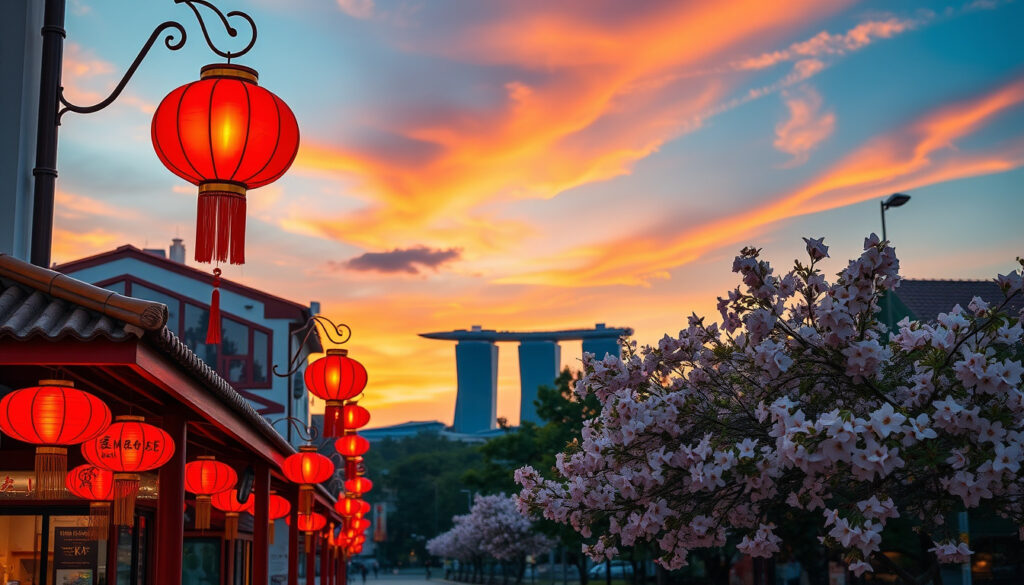
Singapore Chinese New Year 2026: Dates, Events & Guide
There is a moment every January when Orchard Road starts glowing red and gold, and you remember that Singapore’s biggest party of the year is only weeks away. Chinese New Year 2026 falls on February 17 and February 18, both gazetted public holidays in Singapore (Ministry of Manpower).
CNY 2026 Date: February 17, 2026 (Tuesday) ·
Public Holidays: February 17–18, 2026 ·
River Hongbao 2026: February 7 – March 3, 2026 at Chinese Garden ·
Chinatown Light-Up: Starts late January 2026 ·
Chap Goh Mei: March 3, 2026
Quick snapshot
- Chinese New Year 2026 falls on February 17 (Ministry of Manpower)
- February 18 is also a public holiday (data.gov.sg)
- River Hongbao 2026 is a 10-day celebration (River Hongbao)
- February 16 is Chinese New Year’s Eve (Nimbu Singapore)
- Fireworks display schedule is typically announced by URA closer to the date, as is common for major events in Singapore (Singapore Spirit)
- Street closure dates for Chinatown bazaars have not been finalized, but the light-up typically runs from 7pm to midnight (Indiplomacy)
- River Hongbao dates vary by source — some list Feb 15–24 (The Urban List Singapore), others Feb 7 – Mar 3 (River Hongbao official site)
- Chinatown light-up typically starts 3–4 weeks before CNY (Singapore Spirit)
- Festive displays stay active 1–2 weeks after CNY ends (Singapore Spirit)
- Book accommodation and reunion dinner slots before late January
- Watch for official schedules from URA and STB in January 2026
- Plan temple visits and Chinatown bazaar visits around light-up hours
Five key facts, one pattern: Singapore’s Chinese New Year runs on two rails — the official holiday calendar that shuts the city down, and a longer festive runway of light-ups, bazaars, and cultural events that stretches for weeks.
| Label | Value |
|---|---|
| CNY 2026 Date | February 17, 2026 |
| Public Holiday Duration | 2 days (Feb 17–18) |
| River Hongbao Venue | Chinese Garden, Jurong Lake Gardens |
| Chinatown Light-Up | Starts late January 2026 |
| Fireworks | CNY Eve (Feb 16) – typically at Marina Bay |
The implication: the official holidays are only the center of the calendar, not the whole celebration.
What is Chinese New Year in Singapore?
Chinese New Year is the most significant festival in Singapore’s Chinese community, blending family reunion traditions with a uniquely Singaporean urban expression (Singapore Spirit (local culture guide)). The holiday centers on family gatherings, the giving of red packets, and visiting relatives and friends (Home Journey Singapore).
How is Chinese New Year celebrated in Singapore?
- Reunion dinner on New Year’s Eve with family
- Giving of red packets (ang bao) to children and unmarried juniors
- Visiting relatives and friends over the first two days
- Temple visits to pray for good fortune in the new year
- Exchanging Mandarin oranges as symbols of prosperity
The city also puts on a show. River Hongbao 2026 is a flagship celebration that brings larger-than-life lantern displays and stage performances to the public (River Hongbao (official event site)). Another guide describes River Hongbao as being held at Gardens by the Bay (The Urban List Singapore).
Visitors get the double experience: intimate family customs — reunion dinners, ang bao — and a high-production public festival that runs for weeks.
What are the main traditions during Chinese New Year in Singapore?
- Spring cleaning before New Year’s Day to sweep out bad luck
- Decorating homes with red couplets and lanterns
- Wearing new clothes in red or bright colors
- Preparing symbolic foods like fish for abundance and noodles for longevity
- Offering prayers at home altars and temples
The catch: each of these traditions carries a specific ritual logic, and breaking the rules — sweeping on New Year’s Day, wearing black — is considered an unlucky start to the year.
What are the Chinese New Year dates in 2026?
Chinese New Year 2026 falls on February 17 (Tuesday), with February 18 as the second day (Ministry of Manpower (official holiday gazette)). Both days are gazetted public holidays in Singapore, confirmed in the government data portal (data.gov.sg / MOM dataset).
When does Chinese New Year 2026 start and end?
The festival officially begins on February 17, 2026, and the two public holidays fall on February 17 and February 18 (data.gov.sg / MOM dataset). February 16 is Chinese New Year’s Eve (Nimbu Singapore). The festive period extends well beyond the two official days (Singapore Spirit (local culture guide)).
The 15th day, known as Chap Goh Mei, marks the final day of the festival and is traditionally associated with seeking romance and good fortune.
How many days are public holidays for Chinese New Year 2026 in Singapore?
Singapore has two gazetted public holidays for Chinese New Year: February 17 and February 18, 2026 (Ministry of Manpower (official holiday gazette)). Some workers who are entitled to additional leave may extend their break, and many businesses close for the full week.
The pattern: two official days off, but the celebration operates on a longer clock, with the festival “officially” running for 15 days until Chap Goh Mei.
The implication: the official holidays are the core, but the real celebration spans weeks.
Where to go during CNY 2026 Singapore?
River Hongbao 2026 is the headline act, running as a 10-day celebration at Chinese Garden in Jurong Lake Gardens (River Hongbao (official event site)). One 2026 guide lists River Hongbao dates as February 15 to February 24 (The Urban List Singapore), while the content plan indicates February 7 to March 3 — dates have varied in different sources, so check closer to the window.
What are the best places to visit during Chinese New Year 2026 in Singapore?
- Chinese Garden at Jurong Lake Gardens (River Hongbao 2026)
- Chinatown — festive street bazaar and light-up along Eu Tong Sen Street, New Bridge Road, Temple Street, and Pagoda Street (Singapore Spirit (local culture guide))
- Gardens by the Bay — lantern displays and CNY-themed installations
- Thian Hock Keng Temple — one of Singapore’s oldest Hokkien temples
- Marina Bay waterfront — fireworks on CNY Eve
First-time visitors who only show up on Feb 17–18 will catch the family-visiting days when many shops close. The real spectacle — bazaars, light-ups, stage shows — runs in the weeks before and after.
The pattern: the best experiences happen after sunset, when the light-up and bazaars come alive.
Are there any special events like River Hongbao or Chinatown light-up?
Yes, and they are the anchor experiences. The Chinatown street light-up is described as running nightly from 7:00pm to midnight, with extension until 6:00am on Chinese New Year’s Eve (Indiplomacy). It extends along several streets including Eu Tong Sen Street and New Bridge Road (Singapore Spirit (local culture guide)).
River Hongbao features giant zodiac lanterns, nightly stage performances, and food stalls. Some sources describe it as a free event (The Urban List Singapore), making it one of the most accessible big-ticket experiences during the season.
The takeaway: plan around the light-up hours and performances rather than daylight hours — the magic happens after sunset, and the Chinatown bazaar is at its liveliest in the evening.
What are three don’ts on Chinese New Year’s day?
There are several taboos associated with Chinese New Year’s Day, and understanding them helps visitors avoid inadvertently offending hosts.
What should you avoid doing on Chinese New Year’s day?
- Do not sweep or throw out garbage on New Year’s Day — it sweeps away your luck
- Avoid using sharp objects like scissors or knives — they cut off fortune
- Do not wear black or white clothing — colors associated with mourning
Why are certain actions considered unlucky during Chinese New Year?
The logic: the first day of the new year sets the tone for the rest of the year. Actions like sweeping “remove” prosperity, sharp objects “sever” good fortune, and mourning colors signal death — the opposite of the auspicious start everyone is trying to create.
Why it matters: these aren’t just old superstitions. In a modern city like Singapore, they still shape behavior — hosts may gently steer guests away from black outfits, and cleaning services are booked well before CNY eve because nobody wants a broom in hand on day one.
How to celebrate Chinese New Year in Singapore?
Celebrating in Singapore means balancing local customs with city programming. The steps below walk you through the season as a visitor or new resident.
What are the steps to celebrate Chinese New Year in Singapore?
- Clean and decorate before New Year’s Eve. Spring cleaning sweeps out the old year’s bad luck, but stop before day one — no sweeping on New Year’s Day itself.
- Book your reunion dinner early. Restaurants in Chinatown and hotel ballrooms fill up weeks in advance. Many offer set menus with symbolic dishes.
- Prepare red packets (ang bao). Bring small denominations — new bills — for children and unmarried juniors. Married couples and employers typically give them.
- Visit the Chinatown bazaar. Stock up on decorations, snacks, and seasonal goods in the days before CNY. The bazaar runs along the main streets with light-up hours starting at 7:00pm (Indiplomacy).
- Watch the fireworks on CNY Eve. Marina Bay typically hosts a display on February 16, 2026 — the eve of the new year.
- Visit River Hongbao. Head to Chinese Garden for lantern displays and performances. The official site describes it as a 10-day celebration (River Hongbao (official event site)).
- Do a temple visit. Thian Hock Keng and other Chinese temples draw crowds praying for luck and prosperity.
How do locals prepare for Chinese New Year in Singapore?
Preparation starts weeks in advance. Families spring clean, buy new clothes, and stock up on snacks like pineapple tarts and bak kwa (barbecued meat jerky). Businesses wind down, and the city’s festive programming — light-ups, bazaars, and stage shows — follows a predictable rhythm: the light-up switches on 3 to 4 weeks before CNY (Singapore Spirit (local culture guide)). Gold buying is also popular during CNY, and checking the current gold rate in Singapore can help you budget for gifts.
The real skill is sequencing: clean and shop in late January, show up for the eve fireworks on Feb 16, hold the two holiday days for family time, then catch the tail end of the festival in early March.
Chinese New Year 2026 Singapore: Full Timeline
Eight weeks of programming, one pattern: the official holidays are the center of the calendar, with the festive window opening weeks before and closing with Chap Goh Mei.
| Date / Period | Event |
|---|---|
| Late January 2026 | Chinatown festive light-up begins (sources vary: Jan 18 or Jan 30) |
| February 7, 2026 | River Hongbao 2026 opens at Chinese Garden (per content plan) |
| February 16, 2026 (CNY Eve) | Reunion dinner; fireworks displays at Marina Bay |
| February 17–18, 2026 | Chinese New Year public holidays; visiting relatives |
| March 3, 2026 | Chap Goh Mei (15th day); River Hongbao ends |
The implication: if you want the full spectacle, don’t book your flight for the two public holidays alone — the weeks before and after carry just as much programming.
What’s Confirmed, What’s Still Unclear
For a festival this size, some details are locked months ahead, while others remain in flux.
Confirmed facts
- CNY 2026 dates: Feb 17–18 are gazetted public holidays (Ministry of Manpower)
- River Hongbao is a 10-day celebration (River Hongbao)
- CNY Eve is February 16, 2026 (Nimbu Singapore)
What’s unclear
- Exact fireworks schedule — typically announced by URA closer to the date
- Specific street closure dates for Chinatown bazaars
- River Hongbao exact dates — sources list Feb 15–24 or Feb 7 – Mar 3
The takeaway: lock in the official holiday dates and treat the rest as a rolling schedule — check official channels in early January for final event calendars.
Voices from the Festival Circuit
“River Hongbao 2026 is presented on its official site as a 10-day celebration.”
— River Hongbao (official event organizer)
“A 2026 guide article states River Hongbao runs from 15 February to 24 February 2026.”
— The Urban List Singapore (events guide)
“The Chinatown street light-up begins on 30 January 2026 and ends on 18 March 2026.”
— Trevallog (travel guide)
“Singapore’s gazetted Chinese New Year public holidays for 2026 are 17 February 2026 and 18 February 2026.”
— Ministry of Manpower (Singapore government)
mainlymiles.com, data.gov.sg, trevallog.com, shanghai.mfa.gov.sg, mom.gov.sg
If you’re planning to visit during the festive period, our detailed guide on events and tips will help you navigate the celebrations with ease.
Frequently asked questions
What is the significance of the color red during Chinese New Year?
Red symbolizes good fortune, joy, and prosperity in Chinese culture. It is believed to ward off evil spirits — the mythological beast Nian was said to fear the color red. That’s why decorations, clothing, and red packets all lean heavily into the color.
How long does Chinese New Year last in Singapore?
The festival traditionally runs for 15 days, starting on February 17, 2026, and ending on Chap Goh Mei on March 3, 2026. The public holidays cover only the first two days, but festive events and decorations typically run for several weeks (Singapore Spirit).
Is it safe to travel during Chinese New Year in Singapore?
Yes, Singapore is one of the safest cities in the world for travelers during any season. During CNY, expect larger crowds at key event venues like Chinatown, River Hongbao, and Marina Bay. Carry minimal cash (digital payments are widely accepted), keep an eye on belongings in crowded areas, and follow any crowd-control instructions at major events.
What are the typical foods eaten during Chinese New Year in Singapore?
Common favorites: pineapple tarts, bak kwa (barbecued meat jerky), yu sheng (raw fish salad tossed for prosperity), pen cai (layered casserole), and nian gao (sticky rice cake). Mandarin oranges are a traditional gift symbolizing gold and good fortune.
Do all businesses close during Chinese New Year in Singapore?
No. The two public holidays (Feb 17–18) shut down most offices, banks, and government services. Many retail shops, restaurants, and tourist attractions remain open, though some smaller family-run businesses close for the entire week. The Chinatown bazaar and River Hongbao operate throughout the festive period, so there is plenty to do.
Are there any free events for Chinese New Year 2026 in Singapore?
Yes. River Hongbao is described as a free event by The Urban List Singapore, and the Chinatown light-up is free to view. Fireworks displays on CNY Eve at Marina Bay are also visible free of charge from public areas, though hotels and restaurants nearby offer paid viewing packages.
What is the weather like during Chinese New Year in Singapore?
February falls in the tail end of Singapore’s northeast monsoon season. Expect daytime temperatures around 29–32°C (84–90°F), high humidity, and occasional afternoon showers. Pack light clothing, an umbrella, and stay hydrated during outdoor events.
For travelers weighing flights and hotel stays, the choice is straightforward: fly in by February 7 to catch River Hongbao’s opening, stay through February 18 for the full public holiday experience — or push plans to late February to catch Chap Goh Mei and avoid the peak tourist crush.
More related posts
 Marco Polo Marine Share Price: Target, Dividend & History
 Flights from Singapore to Jakarta: Time, Price & Options
 Singapore Airlines Promotion 2025: Deals & Fares Guide
 What Time Does NDP 2026 End? Fireworks & Schedule
 Simon Yam Singapore Sighting: Dempsey Hill Fan Photos 2026
 How to Use Instagram: Beginner’s Guide, Rules, and Privacy Tips
 CPF Contribution Rate 2026: New Rates for Senior Workers
 What Is a Metaphor? Definition, Examples, and Simile vs. Metaphor
